
Before-and-after works because it shows the truth.
Planning changes everything.
This breakdown explains why some Mardi Gras installs look clean and professional while others feel cluttered and forgettable. The difference is rarely “more lights.” The difference in structure.
The “before” problems most installs share
Commercial and municipal installs often start with good intent and poor layout. Common issues include:
- No clear focal point: visitors do not know where to look first.
- Scattered lighting: the product is placed in random spots instead of repeated in a system.
- No daytime story: the theme disappears until night.
- Too many mixed color tones: the display looks busy instead of premium.
If your display feels “decorated” but not “designed,” you usually have one of these problems.
The goal of a strong Mardi Gras installation
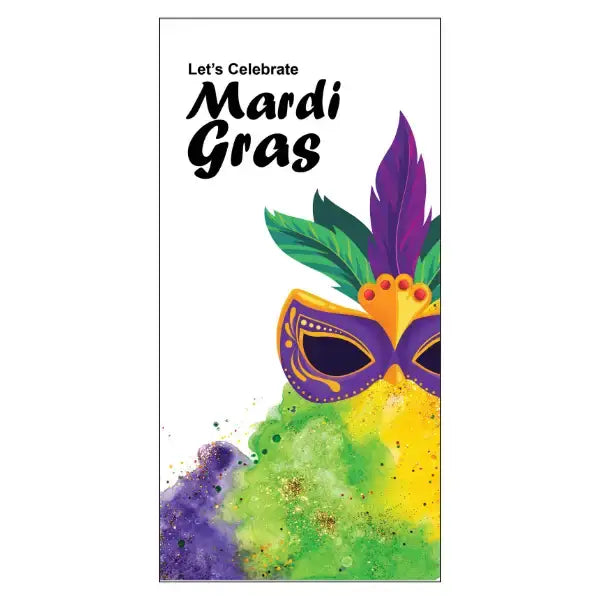
A strong install needs to do four things:
- Readable from a distance: people notice it before they arrive.
- Organized up close: the pattern still makes sense at walking speed.
- Photo-friendly: there is a clear place to take a picture.
- Reusable: the system can be redeployed next season.
The product system behind the “after” look
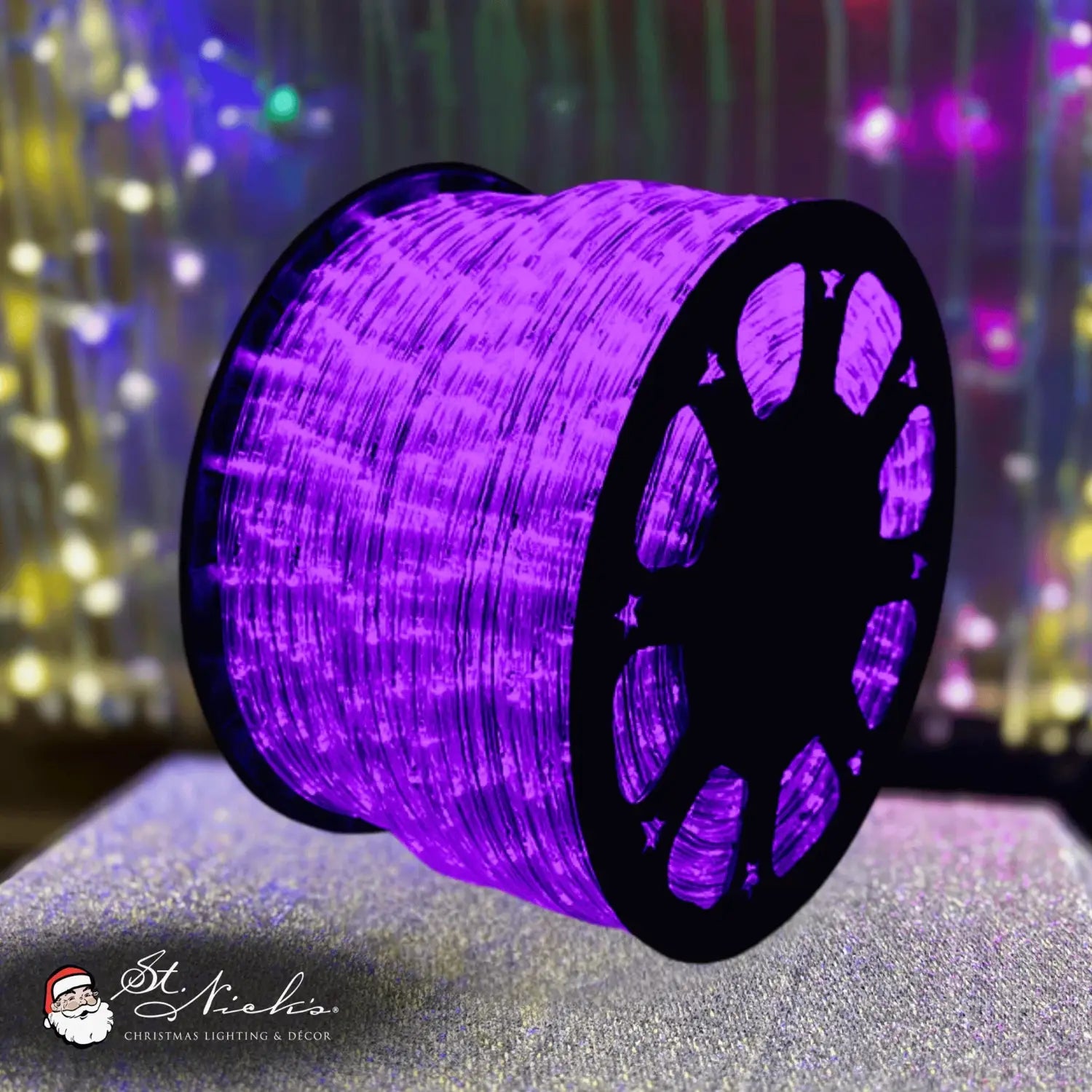
The cleanest “after” results come from a simple repeatable kit:
- Outdoor string lights to define corridors and gathering areas.
- Pole banners to create daytime rhythm and corridor identity.
- Commercial LED rope light to clean up edges, stairs, planters, and outlines.
When these three elements work together, the install looks intentional in daylight and at night.
The install timeline rule (how fast installs stay premium)
Fast installs stay professional when crews repeat the same unit across zones.
What usually goes wrong:
- Too many one-off variations
- Late changes that break the repeat pattern
- Missing inventory that forces substitutions
What usually works:
- One hero zone was built first
- A repeatable unit deployed down the corridor
- Edges finished with rope light so the install looks complete
Why planning creates the visual jump
The before-and-after jump usually comes from three changes:
- Clear focal point: an entrance or plaza that becomes the “main photo.”
- Repeat pattern: banners and lighting that repeat at consistent intervals.
- Clean edges: outlines and borders that make the space feel finished.
That is why planned installs look more expensive even when product volume is similar.
Connect this case study to the full strategy
For color planning, reuse guidance, and bundle strategies, use the main guide:
Mardi Gras Lighting Ideas for Cities, Malls & Outdoor Venues
Start with the plan
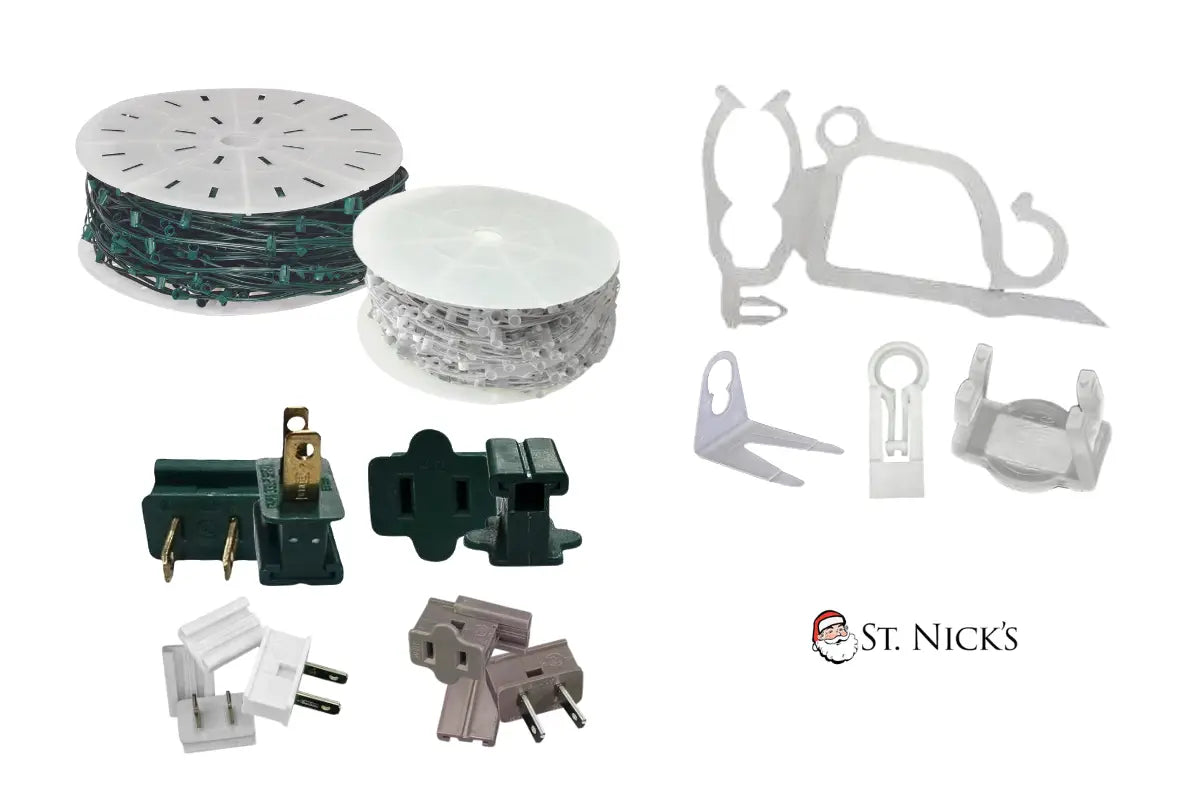
If you want the same “after” result, start with installation essentials and lock the layout before scaling.
FAQ: Commercial Mardi Gras installs (before and after)
Why do commercial Mardi Gras installs look cluttered before a redesign?
Most cluttered installs lack a focal point, use inconsistent patterns, mix too many color tones, and rely on nighttime lighting without strong daytime visuals like banners. A fast way to add daytime structure is pole banners.
What creates the strongest before-and-after transformation?
A clear layout creates the transformation. Choosing one hero zone, repeating the same visual unit down the corridor, and keeping colors consistent typically improves results more than adding extra product. For the full planning method, use the Mardi Gras pillar guide.
What products most often drive a clean commercial streetscape look?
Outdoor string lights help define corridors, banners create daytime rhythm, and rope light accents clean up edges and outlines. These elements work well together for repeatable commercial layouts.
How do fast installs stay professional?
Fast installs stay professional when installers repeat the same unit across zones and avoid late-stage custom variation. Repetition improves speed, consistency, and final appearance. Use Installation Essentials to lock the install plan before ordering add-ons.
What is the best first step when planning a commercial Mardi Gras install?
Start by defining the footprint: entrances, focal points, and corridor length. Then select repeatable lighting and banner units that scale across zones without changing the system. For fast-deploy planning, see ready-to-ship bundle guidance.


