
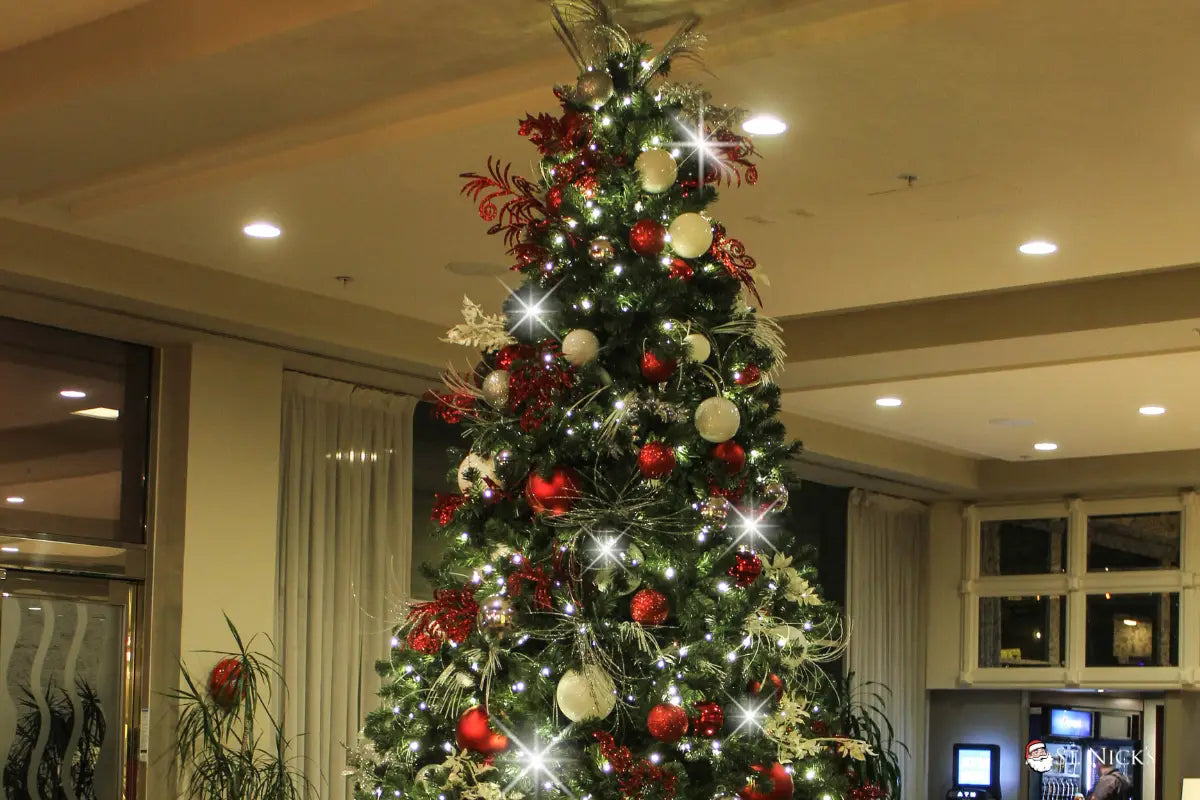
Pre-lit artificial Christmas trees are used in hotel lobbies, shopping centers, municipal buildings, churches, office atriums, restaurants, event venues, and commercial holiday displays. When one section goes dark, the issue can affect guest experience, photo opportunities, installation schedules, and facility maintenance.
This guide explains how to troubleshoot lights on a pre-lit artificial Christmas tree in a practical, safety-first way. It is written for commercial buyers, facility teams, professional installers, and decorators who need to identify the problem, reduce display downtime, and plan replacement inventory before peak season.
For commercial properties, the goal is not only to restore the tree light. The goal is to protect the display, reduce guest-facing maintenance, avoid unsafe temporary repairs, and prepare the right replacement lighting and accessories for future use.
Quick Answer: Why Did My Artificial Christmas Tree Lights Stop Working?
Artificial Christmas tree lights usually stop working because of a loose bulb, a damaged bulb, a blown fuse, a loose plug connection, a damaged socket, a broken wire, an overloaded connection, or a failed light strand. Start by unplugging the tree, identifying the dark section, checking the plug and fuse, inspecting bulbs and sockets, and testing the strand with a light tester. If wiring is cracked, frayed, exposed, heat-damaged, or unsafe, replace the affected strand instead of attempting a temporary repair.
Safety First: What to Check Before Troubleshooting

Before inspecting a pre-lit artificial Christmas tree, unplug the tree and work in a dry, clear area. Do not troubleshoot while the tree is connected to power. If the tree is installed in a public or commercial space, block off the work area so guests, staff, or visitors do not come in contact with cords, tools, loose bulbs, or lighting components.
Inspect the cord, plug, bulbs, sockets, and connectors before use. If you see cracked insulation, exposed wire, blackened sockets, loose connections, damaged plugs, or heat marks, remove that section from service and replace it with a compatible part. Do not use electrical tape as a permanent repair for damaged holiday light wiring.
Always follow the manufacturer’s instructions for replacement bulbs, fuses, strand limits, and electrical connections. For large commercial trees, facility teams should involve a qualified electrical professional when there are repeated failures, overloaded circuits, unknown wiring conditions, or signs of heat damage.
Common Causes of Pre-Lit Tree Light Failure
Pre-lit artificial Christmas tree lights can fail for several reasons. In many cases, the problem is simple, such as a loose bulb or blown fuse. In other cases, the safest option is to replace the affected strand or lighting section.
| Problem | Likely Cause | Recommended Action |
|---|---|---|
| One small section is dark | Loose, missing, or failed bulb | Unplug the tree, inspect the bulbs, and replace with the correct matching bulb type. |
| Entire strand is dark | Blown fuse, loose plug, failed strand, or power issue | Check the outlet, plug, fuse, strand connection, and section connection. |
| Lights flicker | Loose bulb, weak socket contact, or loose connection | Stop use, unplug the tree, inspect sockets and connections, and replace unsafe parts. |
| Bulbs burn out repeatedly | Wrong replacement bulb, overloaded strand, or aging light system | Confirm the replacement bulb type and consider replacing the strand. |
| Wire or plug is damaged | Storage damage, pinching, wear, or impact | Remove from service and replace the damaged component. |
Tools and Materials to Have Ready
Before starting, gather the basic troubleshooting and replacement items. Commercial teams should keep these products organized with the tree or in a labeled maintenance kit.
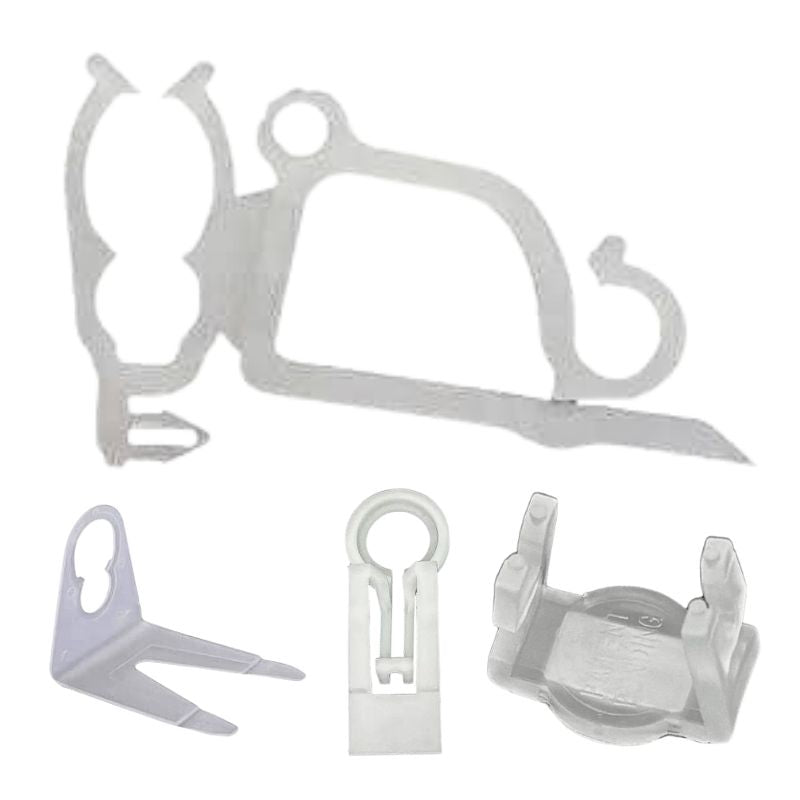
- Replacement bulbs that match the tree’s light system
- Replacement fuses approved for the tree or light strand
- Light tester
- Small screwdriver for fuse compartments
- Work gloves
- Zip ties or soft ties for cable management
- Compatible replacement LED mini light strands
- Storage labels and inventory notes
- Tree section labels
- Replacement clips or attachment materials, if used by the display team
Step 1: Identify the Dark Section
Start by finding exactly where the lights have stopped working. A pre-lit tree may have several sections, and each section may have its own plug, connector, or light strand. Do not assume the full tree has failed because one area is dark.
Look for these patterns:
- One small group of bulbs is dark
- One full branch area is dark
- One tree section is dark
- The full tree is dark
- The lights flicker when the tree is moved
If only one small group is dark, the problem may be a bulb or socket. If one full section is dark, the issue may be a plug, fuse, connector, or strand. If the full tree is dark, start with the outlet, power source, plug, and main connections.
Step 2: Check the Plug and Fuse

Many pre-lit tree light strands have small fuses inside the plug. A blown fuse can cause a strand or section to go dark.
Unplug the tree before checking the fuse. Open the fuse compartment on the plug, remove the fuse, and inspect it. If the fuse looks dark, broken, or damaged, replace it only with the correct fuse type recommended by the manufacturer.
Do not bypass the fuse. Do not replace it with a different size or rating. If the replacement fuse fails again, stop using that strand and review the system for a deeper issue such as overload, damaged wiring, or a failed strand.
Step 3: Inspect Bulbs and Sockets

Loose, missing, or failed bulbs are common causes of dark sections. After unplugging the tree, gently check bulbs in the affected area. Look for bulbs that are loose, broken, blackened, missing, or not seated correctly.
Replace failed bulbs only with the correct type for that light system. A bulb with the wrong voltage or design can create additional failures. If the socket is cracked, melted, loose, or damaged, remove that section from service and replace the affected strand or component.
Step 4: Check for Loose Connections

Pre-lit artificial trees often use multiple plugs and connectors between sections. During setup, storage, or movement, these connections can loosen.
Check the connection points between the tree sections. Confirm that plugs are fully seated, connectors are not bent, and cords are not pinched between branches, frames, or tree sections.
For commercial installations, avoid routing cords through guest walkways, under heavy objects, through doorways, or across sharp edges. If a cord is pinched or damaged, replace the affected lighting section instead of forcing the connection back into service.
Step 5: Use a Light Tester
A light tester can help identify failed bulbs or electrical breaks in a light strand. This is especially useful when the failed bulb is not obvious by sight.
Follow the tester manufacturer’s instructions. Work slowly through the dark section and mark the problem area as you inspect it. For large commercial trees, keep notes on which tree section, strand, or branch area had the issue. This makes future maintenance faster.
Step 6: Decide Whether to Replace the Strand
Not every light problem should be repaired. In many commercial settings, replacing a strand is faster, safer, and more reliable than repeated troubleshooting.
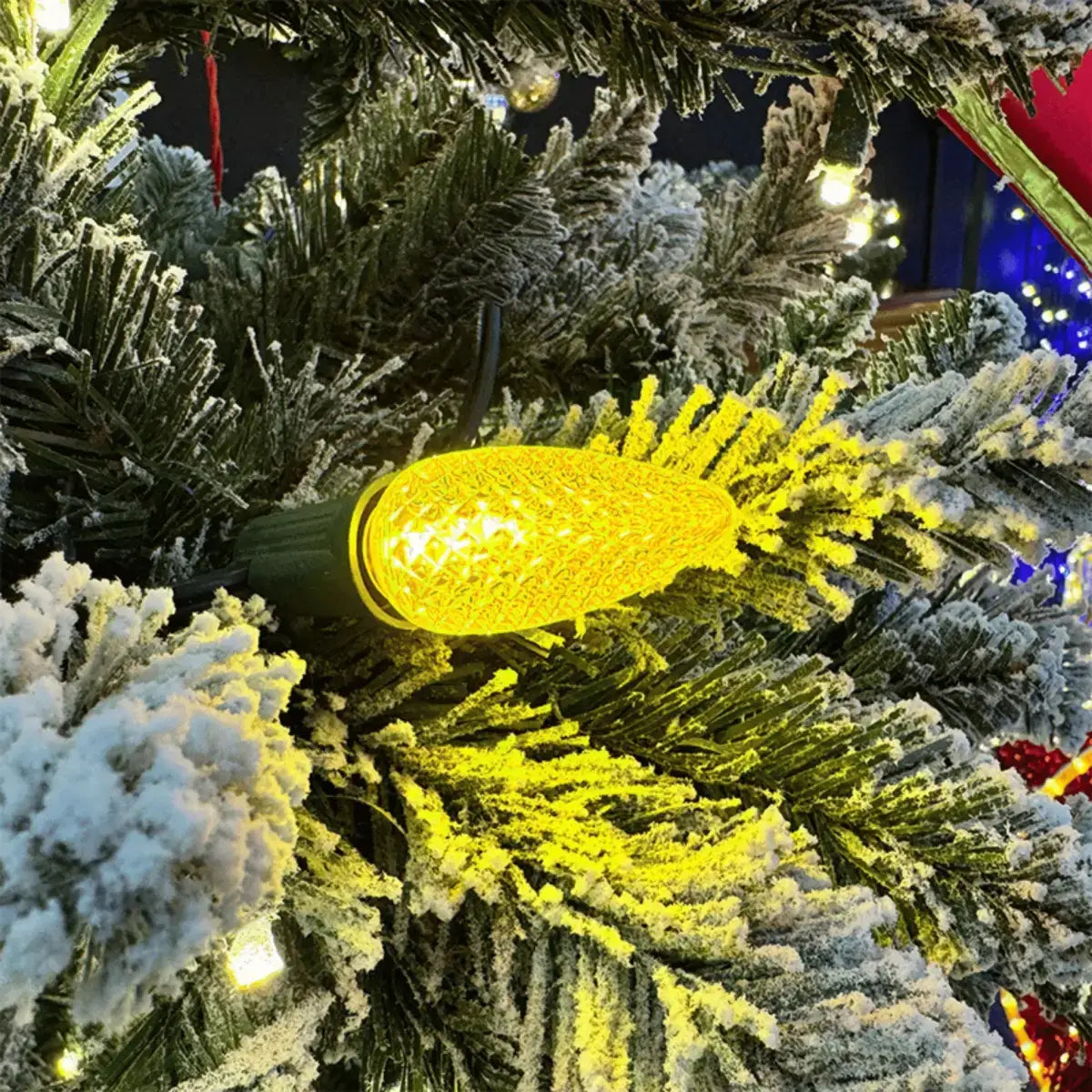
Replace the strand if you find:
- Cracked or frayed wire insulation
- Exposed wire
- Loose or damaged sockets
- Heat marks or blackened areas
- Repeated fuse failure
- Repeated bulb failure
- Unavailable matching replacement bulbs
- Flickering that continues after basic checks
- Visible damage from storage, handling, or installation
For commercial displays, visible downtime can affect the property’s presentation. If a pre-lit section fails repeatedly, plan a replacement rather than relying on short-term fixes.
Need Replacement Lighting for a Commercial Tree?
Plan replacement bulbs, compatible LED mini light strands, fuses, accessories, and storage labels before peak season to reduce guest-facing display downtime.
When Commercial Buyers Should Replace Instead of Repair
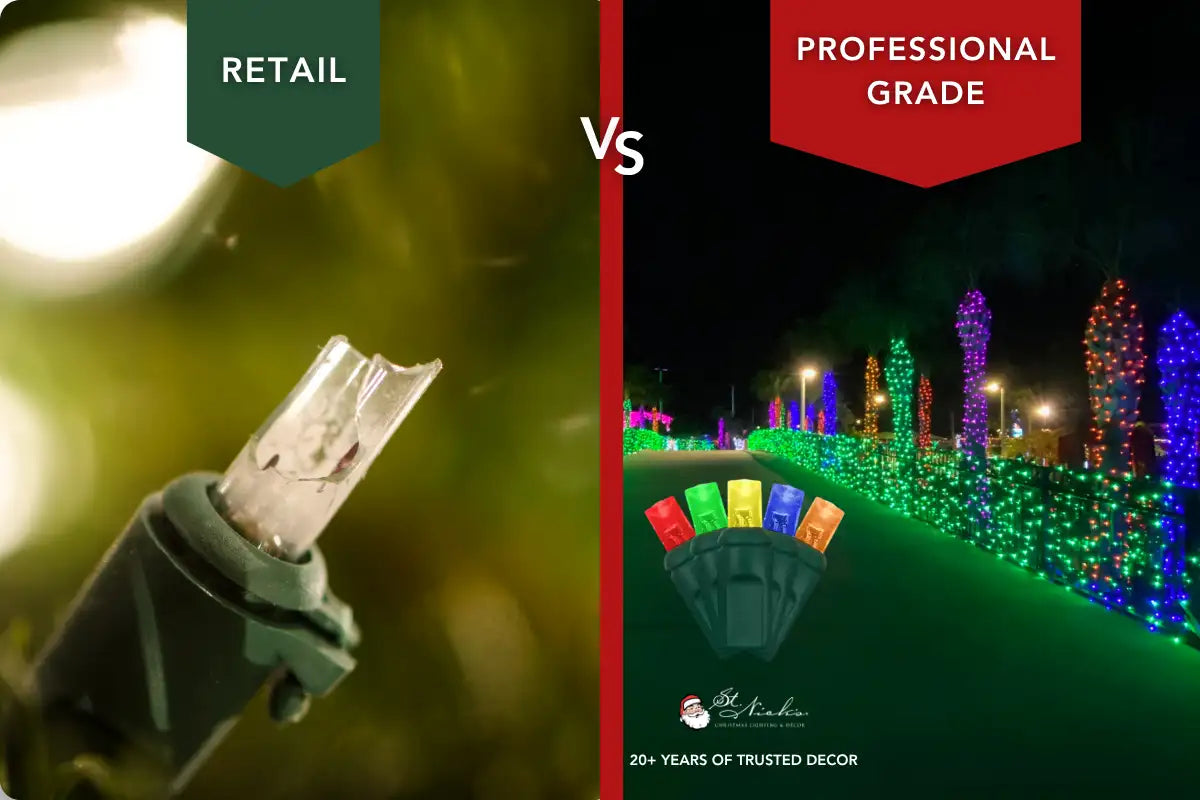
Commercial displays have different requirements than home trees. A tree in a hotel lobby, city hall, church, shopping center, or event venue may be viewed by thousands of people during the season. If the light system is unreliable, the property may spend more time and labor troubleshooting than the product is worth.
Consider replacement when:
- The tree is used in a high-traffic public area
- The same section fails every season
- Replacement bulbs are hard to source
- Color output no longer matches the rest of the tree
- Several strands have aged at the same time
- Maintenance requires repeated lift, ladder, or staff access
- The display must remain camera-ready for events or guests
For large properties, replacement planning should happen before installation season. This gives buyers time to source matching products, prepare spare inventory, and reduce emergency orders.
Maintenance Checklist for Commercial Artificial Christmas Trees
A simple maintenance process can reduce outages and extend the usable life of a commercial tree display. Use this checklist before installation, during the season, and after removal.

Before Installation
- Unpack the tree in a clean, dry staging area.
- Inspect all plugs, cords, sockets, and connectors.
- Check each tree section before stacking or final placement.
- Test lights before decorating.
- Confirm that replacement bulbs and fuses are available.
- Label sections by tree level or installation order.
- Document any dark sections or weak connections.
During the Season
- Inspect visible dark areas during routine facility walks.
- Keep guest pathways clear of cords and tools.
- Block off maintenance areas before working near the display.
- Replace failed bulbs or strands with matching parts.
- Remove unsafe wiring from service immediately.
- Keep a small replacement kit available on site.
After the Season
- Unplug and inspect the tree before disassembly.
- Mark failed sections for repair or replacement.
- Remove damaged light strands from service.
- Store bulbs, fuses, and spare parts in labeled containers.
- Label each tree section before packing.
- Store the tree in a dry, protected area.
Replacement Inventory to Keep on Hand
Commercial properties should not wait until a tree section goes dark to look for replacement parts. Keep a basic inventory ready for each major display.
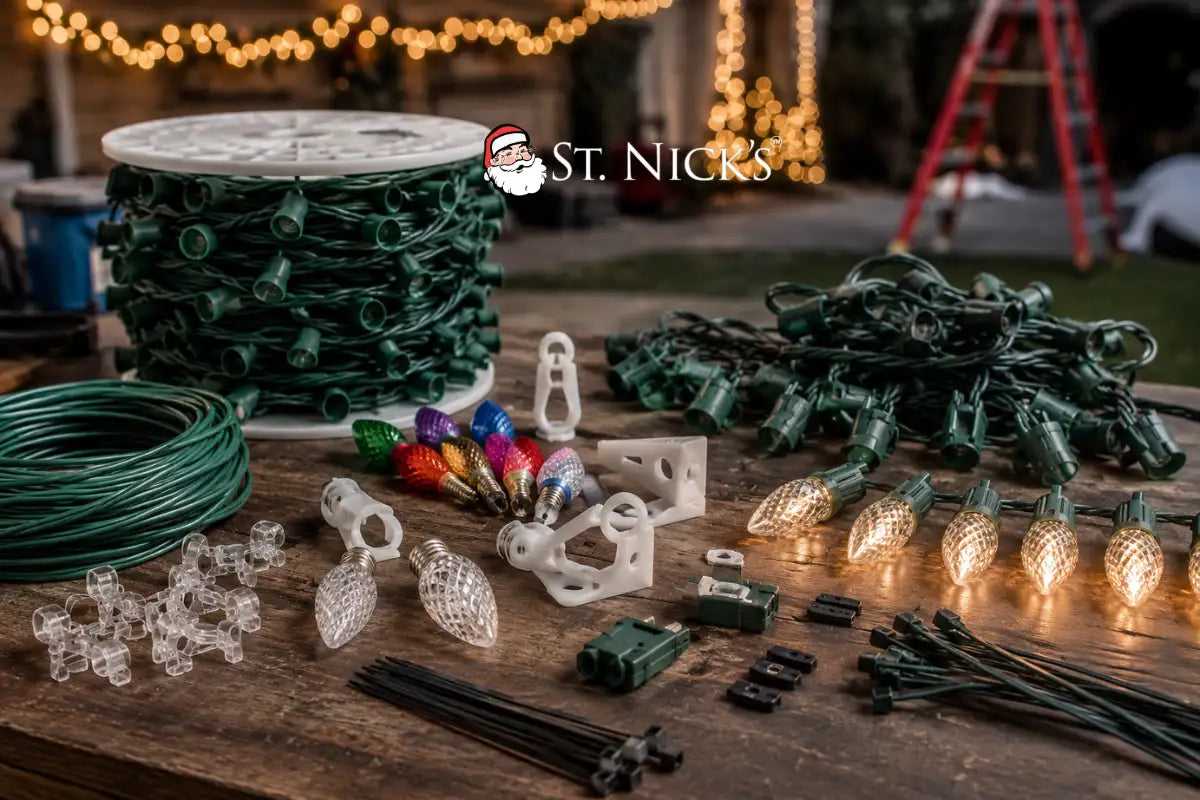
Recommended replacement inventory includes:
- Matching replacement bulbs
- Replacement fuses
- Compatible LED mini light strands
- Extension cords suitable for the installation plan
- Light tester
- Zip ties or soft ties
- Labels for sections and storage bins
- Tree accessories and replacement décor items
- Basic hand tools for safe access to fuse compartments
For professional installers, replacement inventory should be organized by client, property, tree size, color temperature, wire color, voltage, and product type. This helps prevent mismatched repairs during peak season.
Recommended Products for Tree Maintenance and Replacement
St Nick’s Christmas Lighting & Decor supplies commercial-grade holiday lighting and décor products for professional installers, decorators, facility teams, and institutional buyers. For commercial tree maintenance, buyers should focus on replacement lighting, tree accessories, and properly planned inventory.
Relevant product categories include:
- Artificial Christmas Trees for commercial and large seasonal displays
- Pre-decorated Commercial Christmas Trees for turnkey display planning
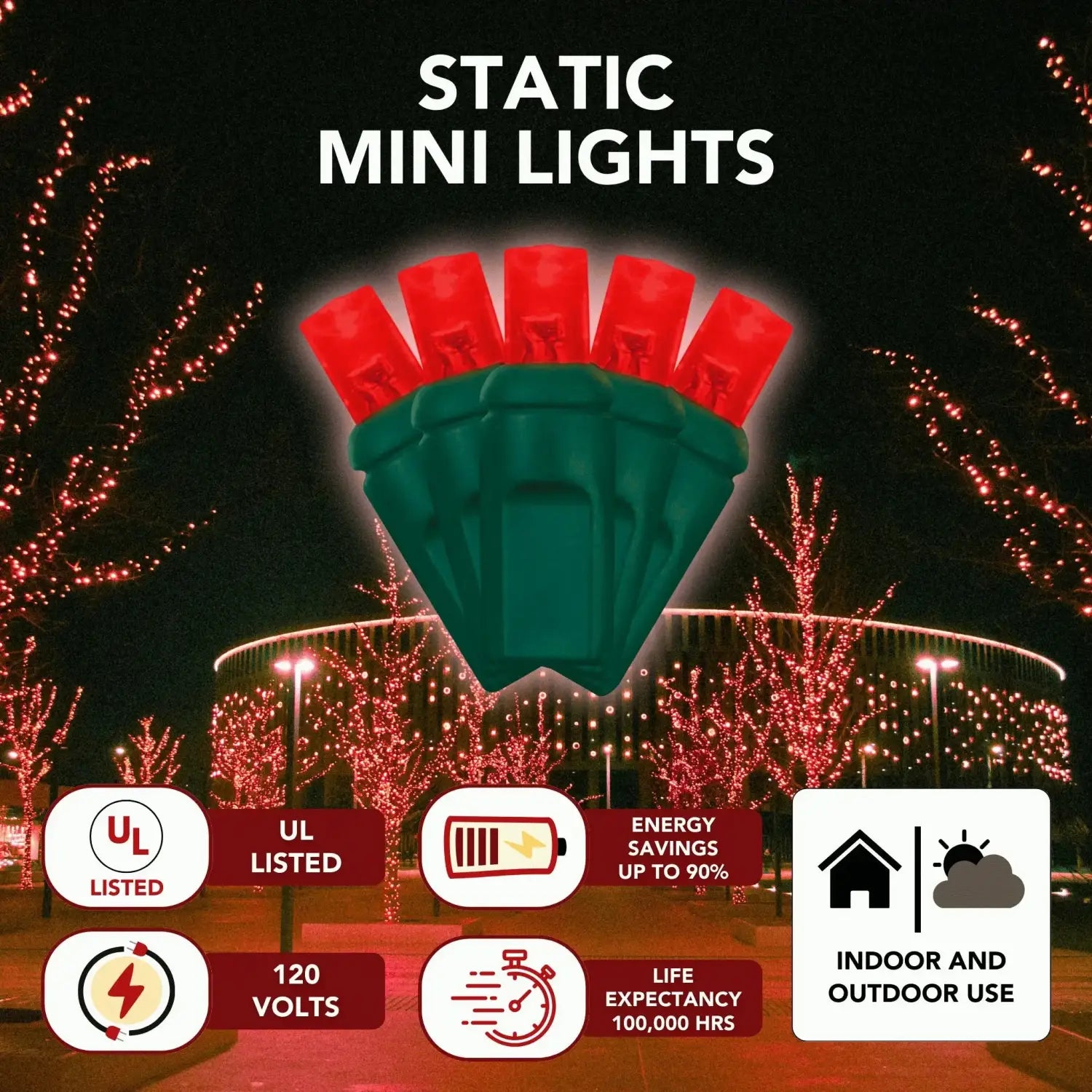
- Commercial LED Mini Lights for replacement strands and tree lighting projects
- Christmas Tree Accessories for display support, finishing details, and replacement planning
Before ordering, confirm the product specifications, light color, wire color, voltage, length, connector type, and intended use. For large public displays, replacement products should be planned before peak installation season.
How to Store Pre-Lit Artificial Trees After the Season
Storage has a direct effect on next season’s light performance. Many lighting problems begin when tree sections are forced into tight containers, cords are pinched, bulbs are crushed, or branches are stored in damp areas.
Use these storage practices:
- Inspect the tree before packing it away.
- Remove or tag failed light sections.
- Do not crush cords or plugs between metal frames or branches.
- Keep tree sections labeled by order of assembly.
- Store spare bulbs and fuses in a labeled container.
- Use dry, protected storage areas.
- Avoid placing heavy boxes on top of pre-lit tree sections.
- Keep a maintenance note with the tree for next season.
For commercial properties, storage labels should include the tree location, installation year, light color, replacement parts used, known issues, and the person or contractor responsible for maintenance.
Wholesale Support for Professional Installers and Commercial Decorators

Professional installers and commercial decorators often manage several tree displays across multiple properties. A wholesale account can help simplify replacement planning, project quoting, repeat orders, and seasonal inventory management.
Wholesale ordering may be useful for buyers managing:
- hotel lobby Christmas trees
- shopping center atrium trees
- municipal building displays
- church and event venue trees
- office campus holiday displays
- restaurant and retail installations
- multi-property holiday programs
Qualified professional installers, commercial decorators, and facility vendors can apply for wholesale access to source commercial artificial trees, replacement lighting, accessories, and project inventory.
Frequently Asked Questions
Why did one section of my pre-lit Christmas tree go out?
One section may go out because of a loose bulb, missing bulb, failed bulb, damaged socket, loose connection, blown fuse, or failed strand. Unplug the tree before inspecting the dark section.
How do I check the fuse on a pre-lit Christmas tree?
Unplug the tree, open the fuse compartment on the plug, remove the fuse, and inspect it. Replace it only with the correct fuse type recommended by the manufacturer.
Can I repair damaged Christmas tree light wiring with electrical tape?
No. Electrical tape should not be used as a permanent repair for damaged light wiring. If a cord, socket, or wire is cracked, frayed, exposed, loose, or heat-damaged, remove the section from service and replace it with a compatible part.
When should I replace the light strand instead of fixing it?
Replace the strand if there is visible wire damage, repeated bulb failure, melted sockets, heat marks, unavailable replacement bulbs, repeated outages, or continued flickering after basic troubleshooting.
What replacement inventory should commercial properties keep?
Commercial properties should keep matching bulbs, fuses, compatible LED mini light strands, extension cords, clips, storage labels, zip ties, and replacement accessories for each major tree display.
How should commercial artificial trees be stored after the season?
Commercial trees should be inspected, labeled, and stored in dry, protected containers. Keep lighting sections organized by tree section, property zone, or display location.
Are LED mini lights good for replacing failed tree lighting?
LED mini lights can be a practical replacement option when they match the project requirements, color temperature, wire color, length, voltage, and intended use. Confirm compatibility before replacing any pre-lit tree lighting system.
When should a commercial property replace the whole pre-lit tree?
A commercial property should consider replacing the tree when the lighting system fails repeatedly, replacement parts are difficult to source, the tree no longer presents well, or maintenance costs are higher than replacement planning.
Plan Replacement Lighting Before Peak Season
Pre-lit artificial Christmas tree problems are easier to manage when replacement products and maintenance steps are planned early. Commercial buyers should inspect trees before installation, replace unsafe components, document known issues, and keep matching lighting inventory available before peak season begins.
St Nick’s Christmas Lighting & Decor supports professional installers, commercial decorators, facility teams, hotels, shopping centers, municipalities, churches, event venues, and large seasonal buyers with commercial-grade artificial trees, LED lighting, accessories, and replacement inventory.
Updated: August 6, 2026


