
Seasonal banner programs work best when they are planned as a year-round system, not as one-time purchases. Cities, malls, hotels, and real estate developers that plan ahead reduce costs, avoid rushed installations, and keep their streets and properties looking consistent throughout the year.
A structured banner program helps teams stay on schedule, control budgets, and make better use of hardware, labor, and storage. This guide explains how professional buyers and installers plan seasonal banner programs that work smoothly year after year.
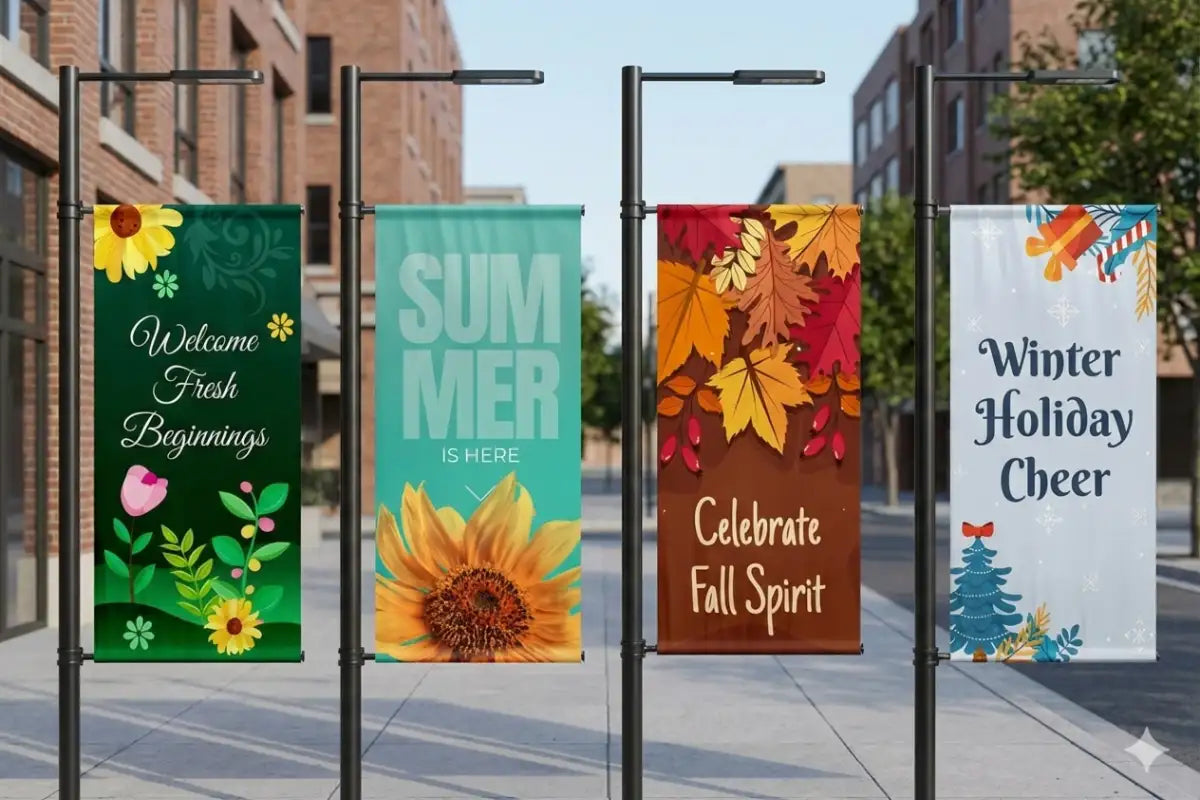
Why a Year-Round Banner Plan Matters
In large commercial environments, banner problems usually come from last-minute decisions. When banners are ordered one season at a time, teams often face:
-
Inconsistent banner sizes
-
Hardware that does not fit
-
Missed seasonal install windows
-
Higher labor costs due to rushed work
Most municipalities and commercial operators avoid these issues by planning banners as part of a 12-month visual program. This approach treats banners as reusable assets, not disposable décor.
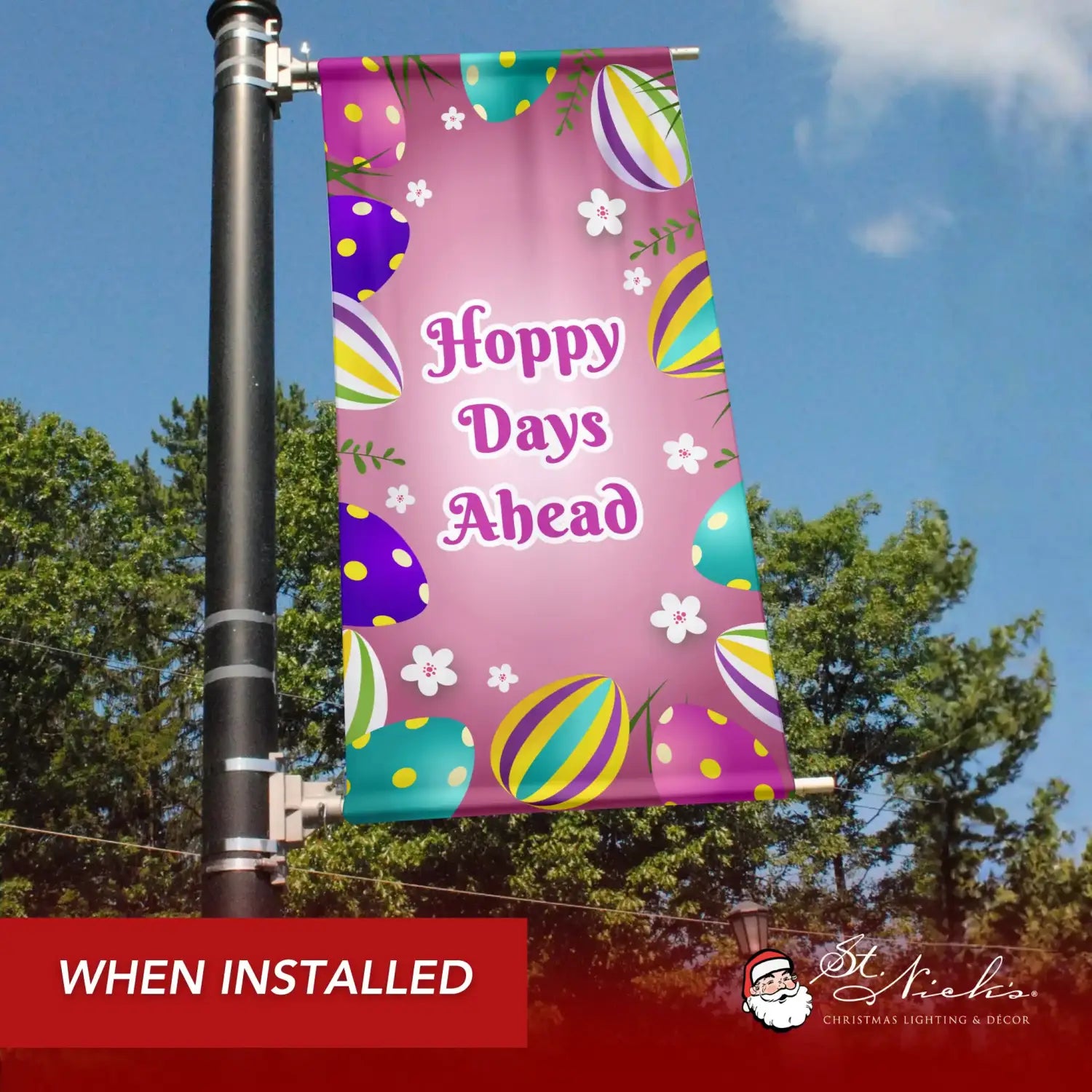
Step 1: Set a Seasonal Calendar
The first step is to map out the year by season. Most commercial banner programs follow four main seasons:
-
Spring
-
Summer
-
Fall
-
Winter
Each season usually has one main banner design that stays up for several weeks or months. Short-term holiday or event banners can be added on top of this plan without changing the core system.
Adding Holidays and Events

Many programs layer in short installs, such as:
Because these banners use the same size and hardware, they can be installed and removed quickly without disrupting the seasonal schedule.
Planning the full calendar early helps teams lock in production timelines and avoid overlaps with lighting, landscaping, or construction work.
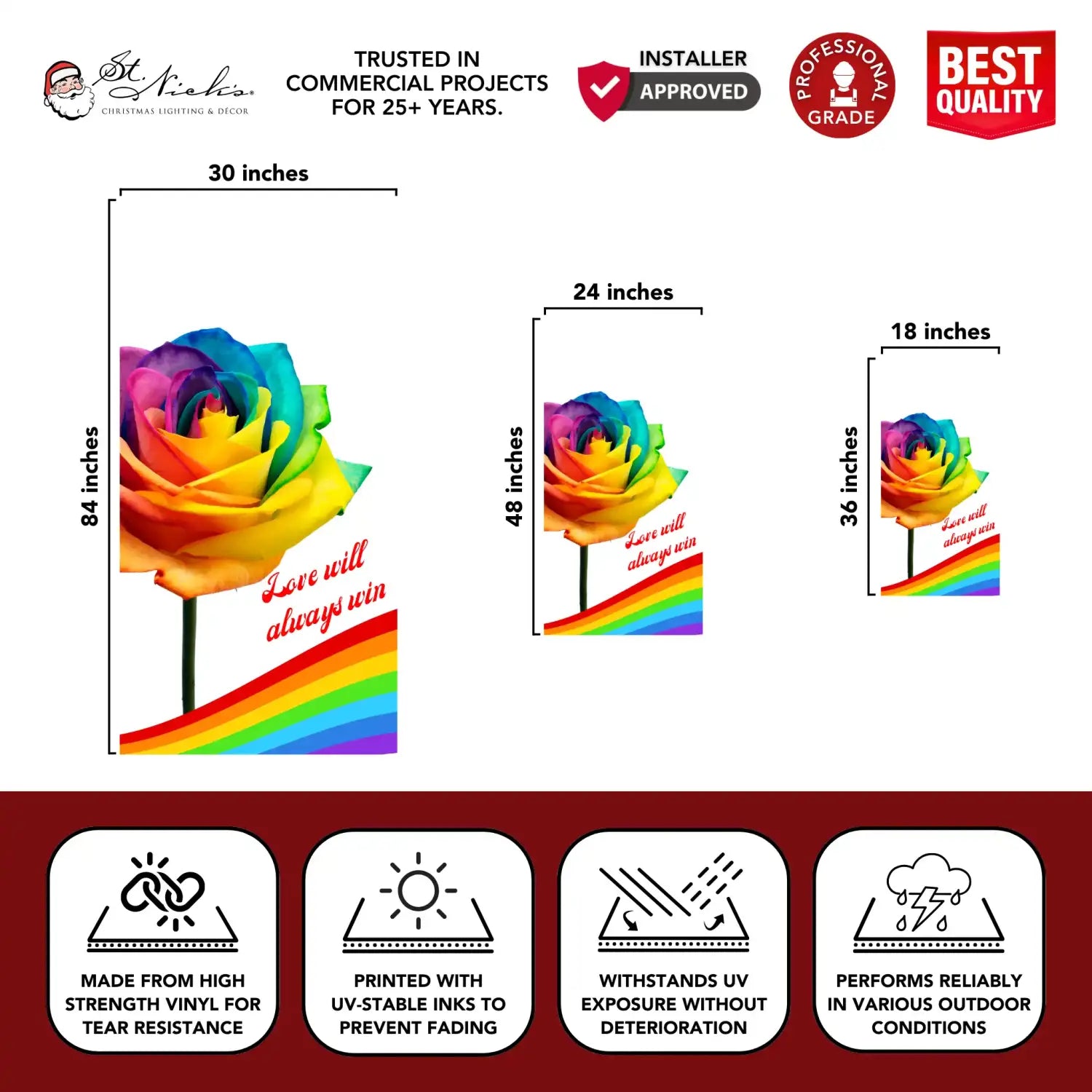
Step 2: Standardize Banner Sizes
Standard banner sizing is one of the most important decisions in a banner program.
In large-scale environments, using one or two banner sizes across all seasons makes installations faster and more predictable. Installers do not need to adjust hardware or measurements for each new banner set, which reduces errors and saves labor time.
Common Commercial Banner Sizes
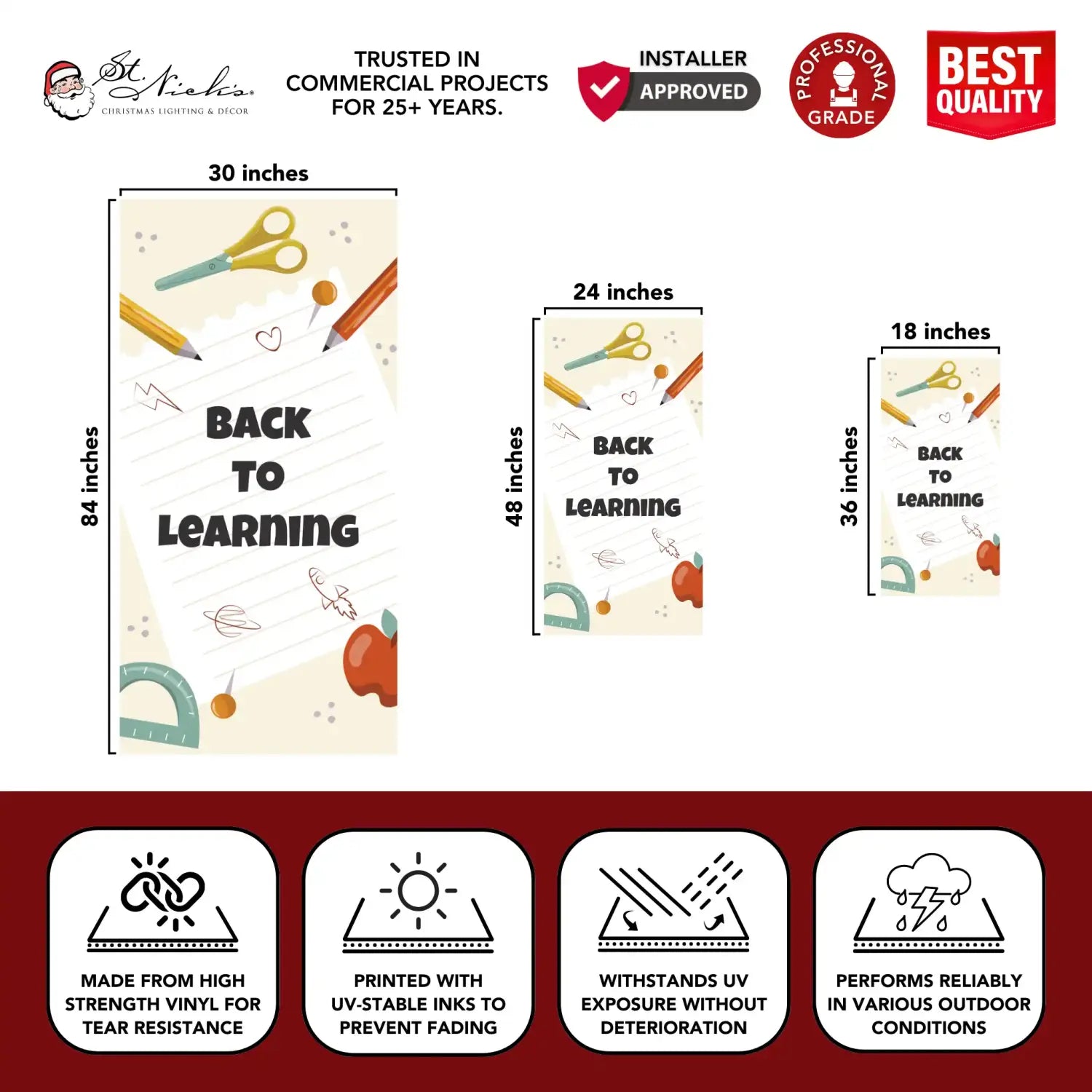
Many municipalities and commercial properties standardize around sizes such as:
-
18 x 36 inches
-
24 x 60 inches
-
30 x 72 inches
The right size depends on pole height, street width, and viewing distance. Once selected, that size should be used for every season, holiday, and event whenever possible.
Inconsistent sizing often leads to wasted banners, unused hardware, and last-minute reorders.
Step 3: Standardize Hardware Systems
Banner hardware is where many programs fail if planning is rushed. Mixing different hardware systems across seasons or departments creates confusion and delays.
Most successful programs choose one pole banner hardware system and use it year-round.
Benefits of Hardware Standardization
-
Faster installation times
-
Fewer training issues for crews
-
Easier replacement and maintenance
-
Lower long-term costs
Before ordering banners, teams should confirm:
-
Pole diameter
-
Arm length requirements
-
Banner pocket size compatibility
Standard hardware also allows banners to move between locations if layouts change.
Step 4: Choose Materials for Reuse
Commercial pole banners are designed for outdoor use and repeated seasonal rotation. Selecting the right material upfront helps banners last multiple years.
Most commercial programs use:
-
Heavy-duty vinyl for durability and print clarity
-
Commercial fabric for lighter weight and reduced wind load
Both options should include reinforced pole pockets and UV-resistant inks.
Choosing low-grade materials may reduce upfront cost but often leads to fading, tearing, or replacement after one season, which increases long-term spending.
Step 5: Plan for Storage and Inventory
Banner storage is often overlooked, but it has a direct impact on lifespan.
After each season:
-
Banners should be cleaned and fully dried
-
Vinyl banners should be rolled, not folded
-
Fabric banners should be stored flat or rolled
Labeling banner sets by season or event makes redeployment faster the following year. Many municipalities store banners by district or street to simplify logistics.
With proper storage, most commercial banners remain usable for three to five years.
Step 6: Coordinate Installation Schedules
Seasonal banner changes should be planned around other maintenance work whenever possible. Many organizations align banner installs with:
-
Lighting changeovers
-
Streetscape maintenance
-
Lift equipment schedules
This reduces labor costs and limits disruption to traffic and pedestrians.
Missed installation of windows often means banners go up late, reducing their impact and value.
How Buyers Evaluate a Banner Program
When choosing a year-round banner program, buyers typically look at:
Specifications
-
Banner size consistency
-
Material durability
-
Hardware compatibility
Operations
-
Installation time
-
Ease of seasonal changeovers
-
Storage requirements
Risk Control
-
Avoiding rushed installs
-
Preventing hardware mismatches
-
Reducing long-term replacement costs
Programs that are not planned as a system usually cost more over time and create avoidable operational stress.
Moving from One-Off Orders to a Program
The most effective seasonal banner programs treat banners as part of long-term streetscape planning. This approach supports better budgeting, smoother installs, and more consistent visual results across commercial spaces.
To see how seasonal banners fit into a complete streetscape strategy:
Relevant Blog :


