
Seasonal pole banners are an easy and flexible way for businesses and cities to update streets and public spaces. They do not require permanent construction or electrical work. Cities, shopping centers, hotels, entertainment areas, and real estate developers use these banners. They keep places looking lively, organized, and well-maintained all year.
This guide is for professional installers, decorators, municipal teams, and commercial operators. Especially for commercial property managers.
They manage large-scale seasonal, holiday, and event banner programs. This guide addresses the needs of property managers. It keeps public spaces vibrant and organized.
Why Commercial Properties Use Seasonal Pole Banners
In large commercial settings, pole banners act as reusable visual features rather than single-use decorations. When used as a system, they help manage long-term costs. They also speed up installation and maintain a consistent look across locations and seasons. Seasonal pole banners are commonly used for:
- City streets and civic corridors
- Shopping malls and lifestyle centers
- Hotels, resorts, and mixed-use properties
- Restaurant and entertainment districts
- Real estate developments during construction and lease-up
- Campuses, zoos, and public attractions
Seasonal Décor & Streetscape Programs
Without a clear banner strategy, organizations often deal with mismatched sizes. They may have hardware that does not fit. This can lead to rushed installations and missed seasonal opportunities. This guide helps with these issues by giving clear steps and solutions.
It focuses on standardizing sizes and systems. This ensures efficient installations and maximizes seasonal opportunities. By following this guide, you can avoid common problems.
Core Seasonal Banner Programs
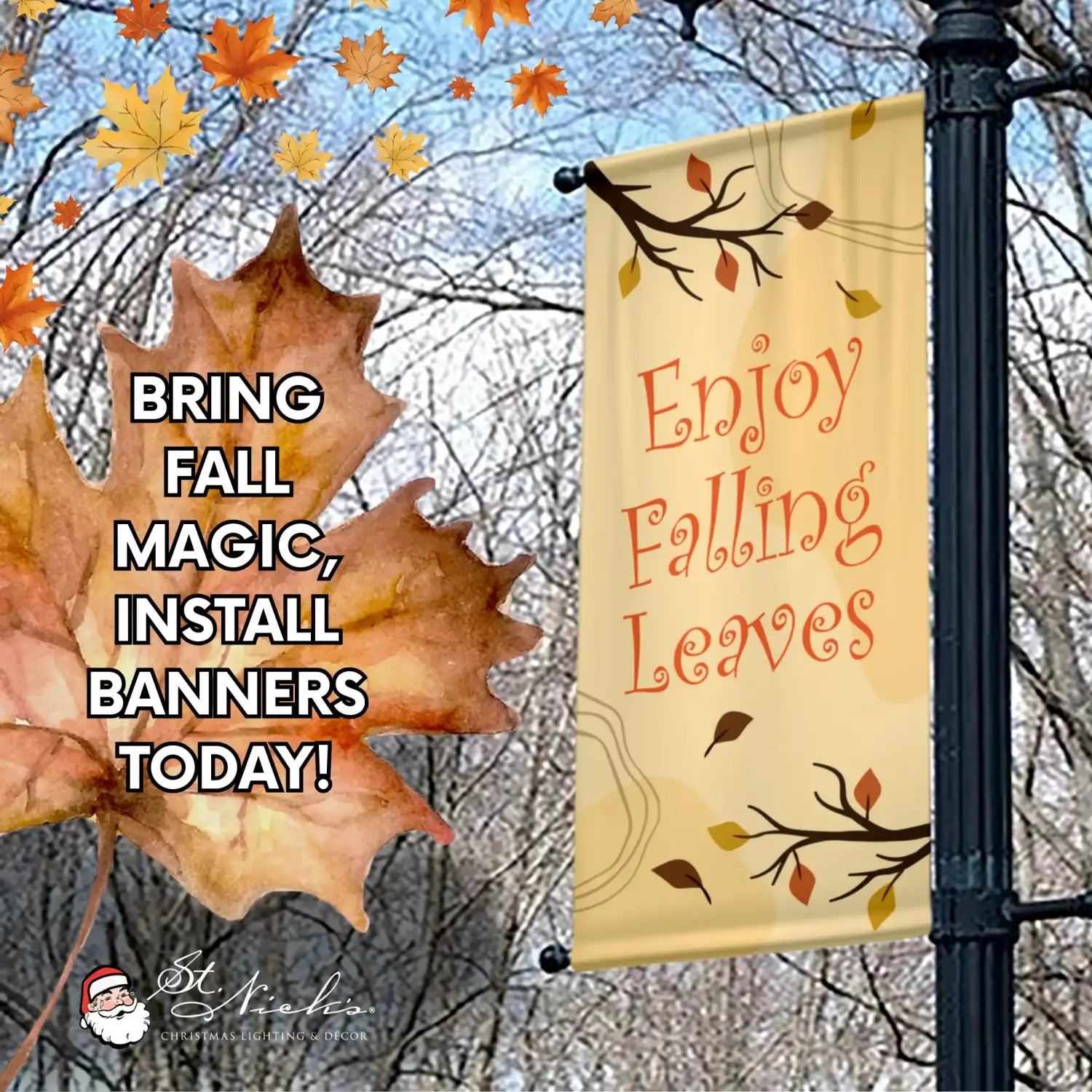
Fall Seasonal Banners
Fall banners are typically installed from late summer through October. They extend outdoor activity, support transitional branding, and prepare properties for upcoming winter décor programs. As part of our "Four-Season Banner Loop," these banners help create a year-round visual plan. They keep spaces looking fresh and relevant.
Common uses
- Downtown streets
- Shopping centers
- Restaurant districts
Planning considerations
- Wind exposure during seasonal storms
- Fade resistance for earth-tone palettes.
- Coordination with winter installation schedules
Commercial Banner Materials & Specifications
Spring Seasonal Banners
Spring banners signal renewal, reopening, and increased foot traffic. Experienced developers frequently deploy spring banners during grand openings, leasing campaigns, and seasonal reactivations.
Common uses
- Municipal corridors
- Hotel and hospitality entrances
- Retail and mixed-use developments
Planning considerations
- Lightweight materials for efficient changeovers
- Designs that remain relevant across multiple spring events
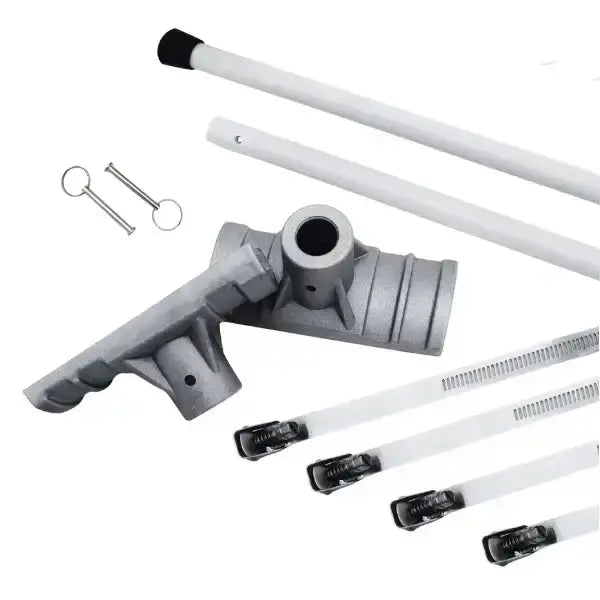
- Compatibility with standardized pole banner hardware
Pole Banner Hardware Systems
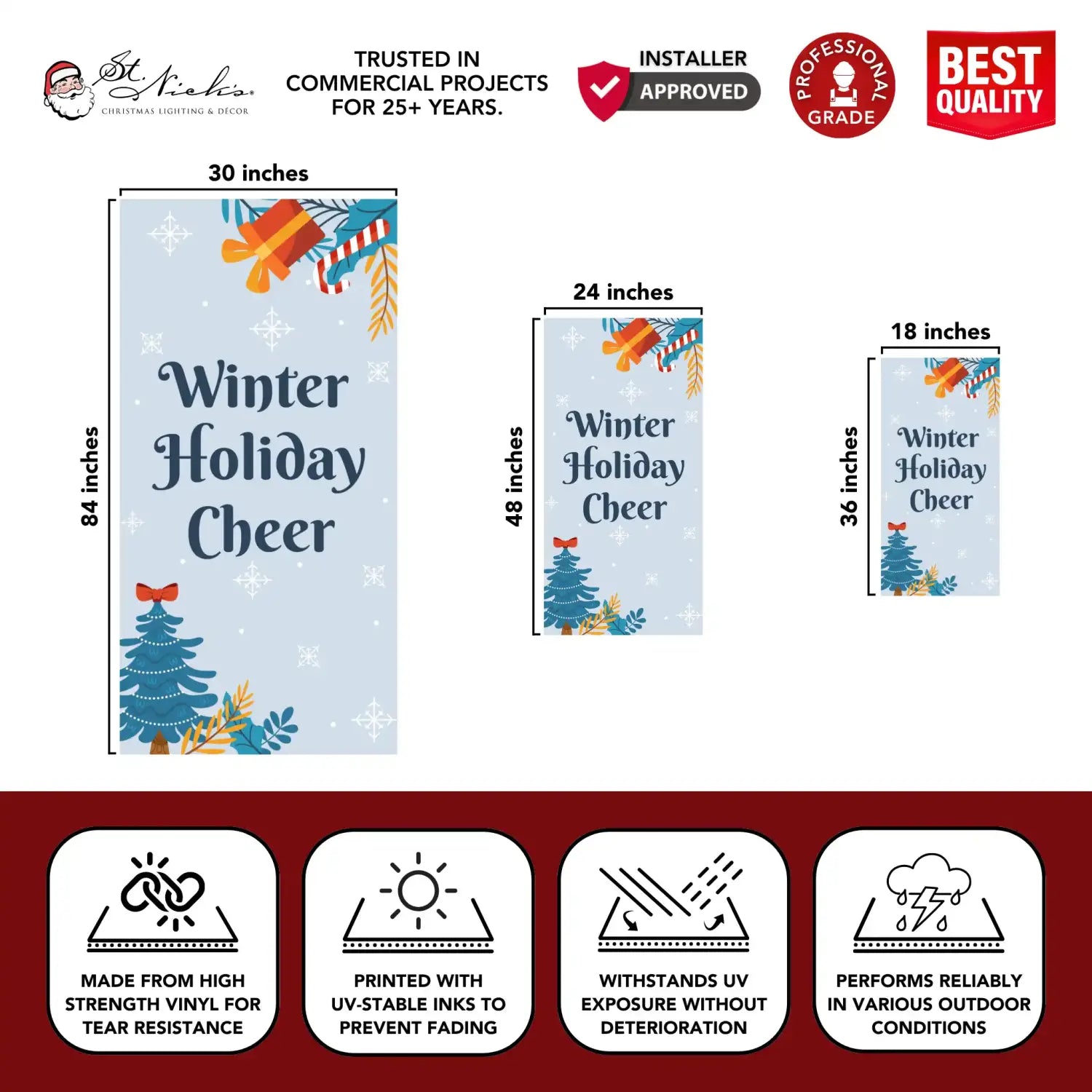
Christmas and Winter Banners
Most municipalities and commercial districts select winter-themed designs that remain appropriate beyond December. People often pair these banners with lighting, garlands, or wreaths to minimize mid-season changeovers.
Common uses
- Downtown shopping districts
- Malls and retail centers
- Hotels and commercial properties
Planning considerations
- Cold-weather material performance
- Extended installation windows
- Visibility during reduced daylight hours
Christmas & Winter Décor Programs
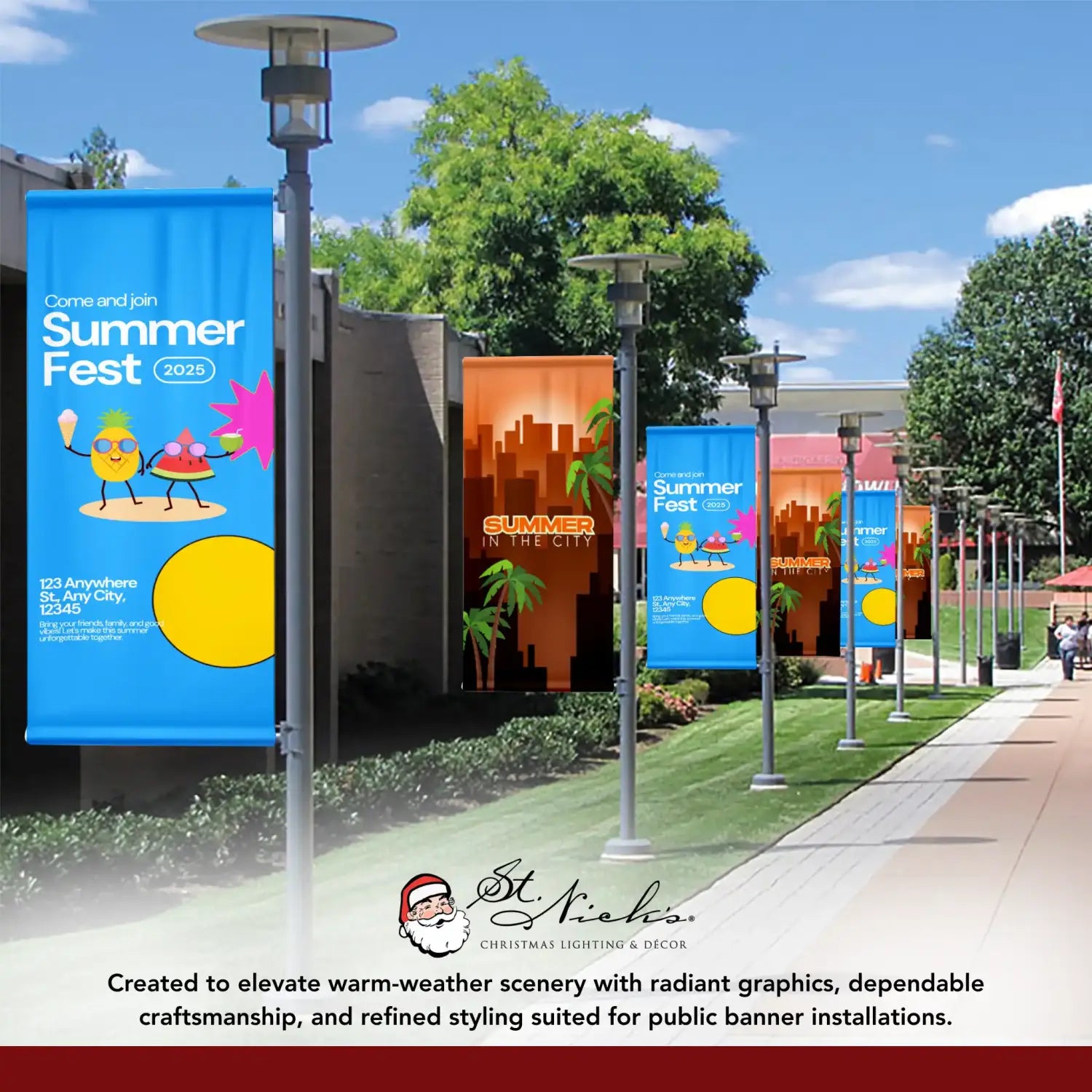
Summer Seasonal Banners
Summer banners support tourism, festivals, and peak commercial activity. In real estate environments, developers often use them to highlight outdoor amenities and public gathering spaces.
Common uses
- Waterfronts and promenades
- Entertainment corridors
- Active mixed-use developments
Planning considerations
- UV resistance under prolonged sun exposure
- High-contrast colors for distance visibility
- Short installation and removal timelines
Holiday Banner Programs
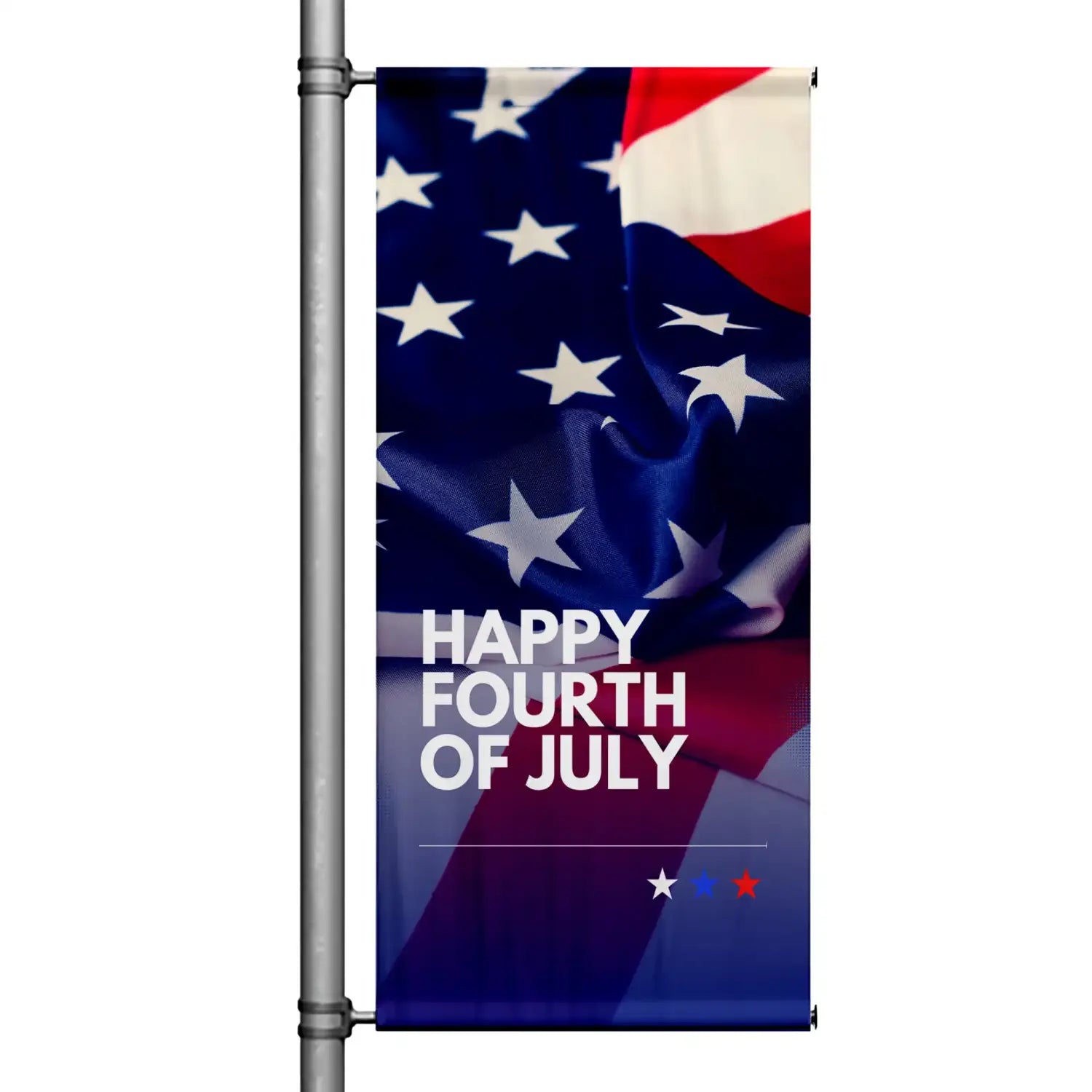
Holiday banners are short-duration installations tied to specific dates or cultural observances. These programs are most effective when banner sizes and hardware remain standardized year-round.
Common holiday banners
- Fourth of July banners
- Pride Month banners
- St. Patrick’s Day banners
Best practices
- Standardize banner sizes across all holidays.
- Reuse the same hardware system.
- Store banners by holiday for rapid redeployment
Installation & Planning Resources
Without standardization, teams often discover hardware issues or installation conflicts too late.
Special Event and Cultural Banners
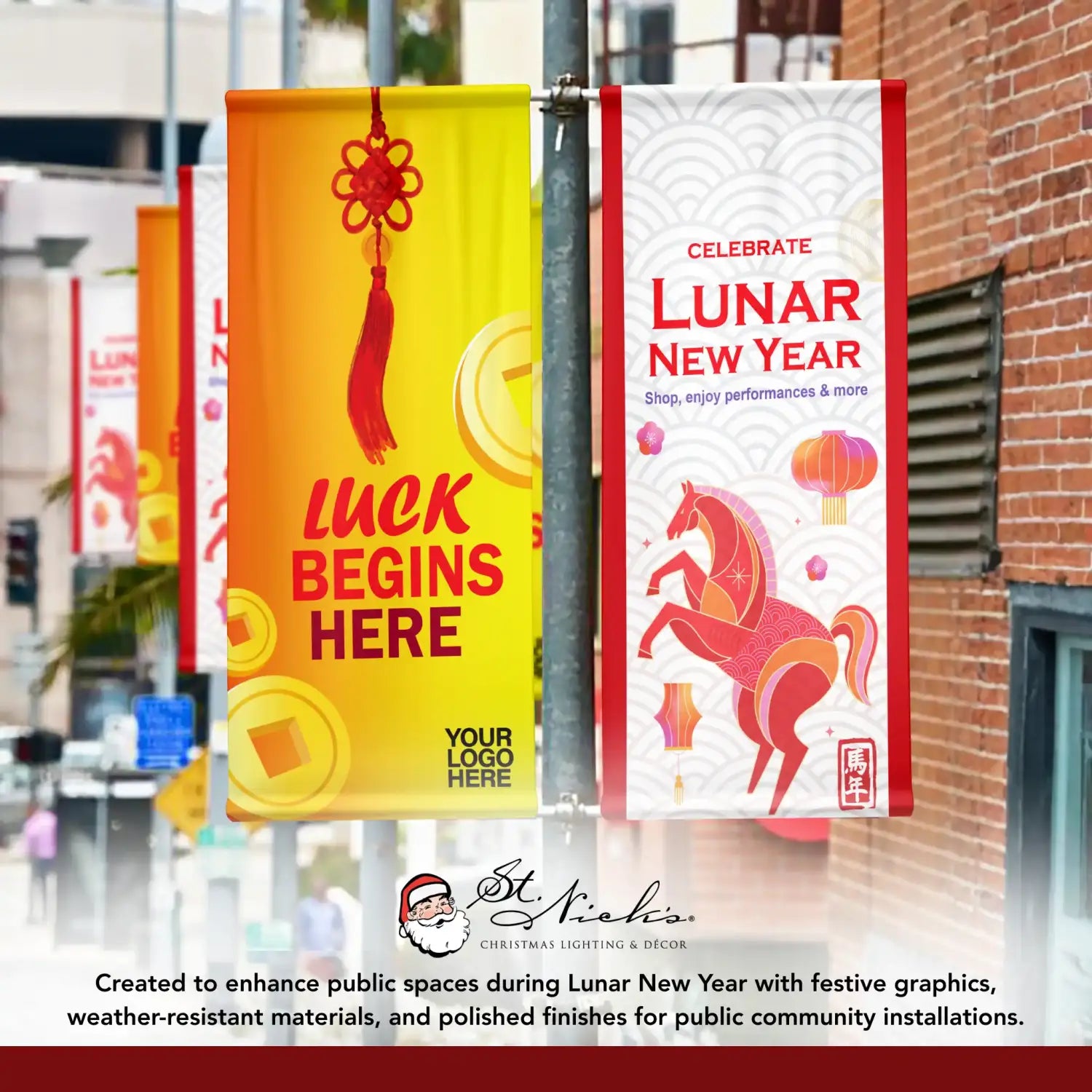
Special event banners support community engagement, cultural recognition, and destination marketing. Municipalities, malls, and developers use them to activate public spaces during key moments.
Common event banners
- Lunar New Year banners
- Valentine’s Day banners
- Mardi Gras banners
- Easter banners
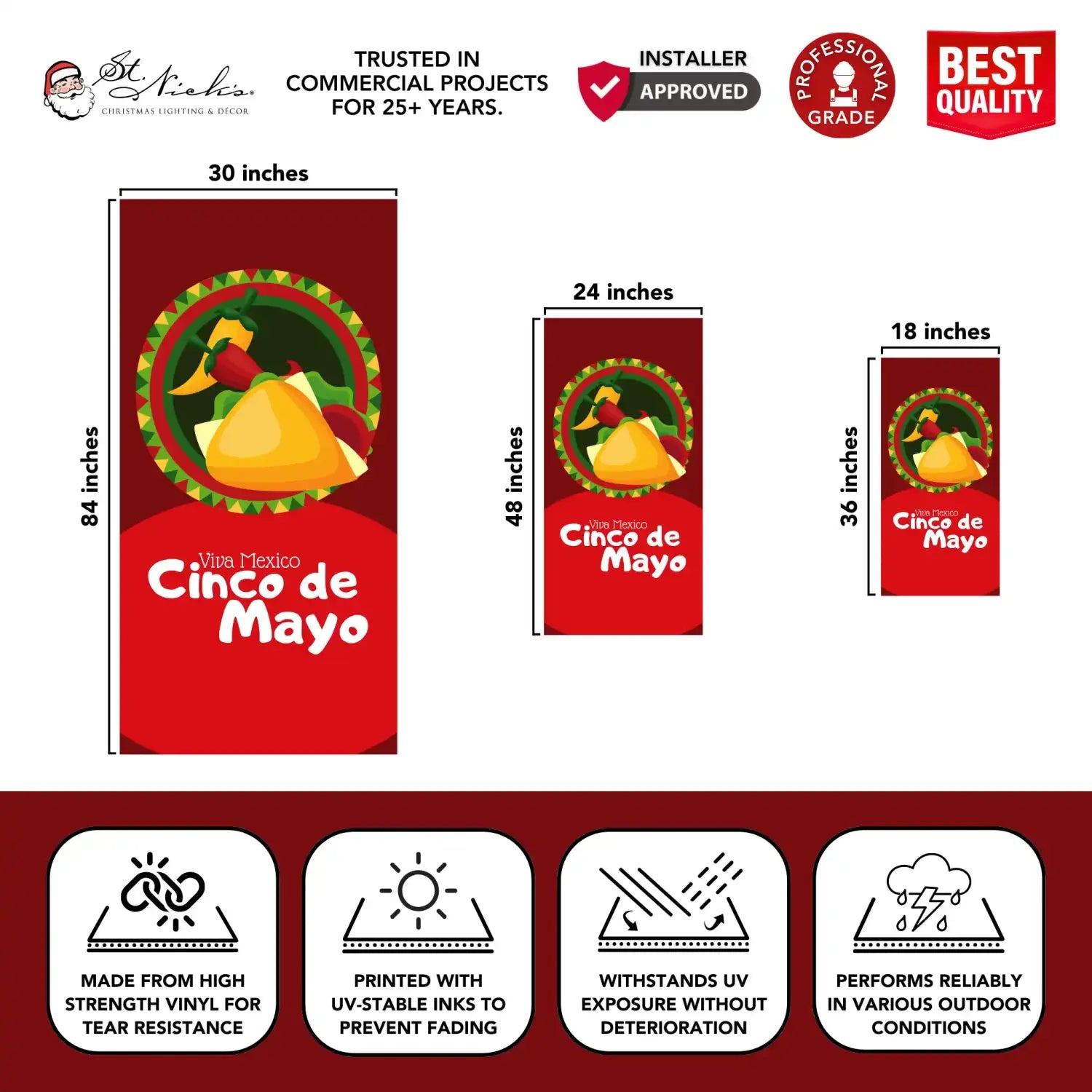
- Cinco de Mayo banners
Planning considerations
- Accurate use of colors and cultural symbols
- Short installation windows tied to event schedules
- Coordination with lighting, festivals, and promotions
Commercial & Municipal Case Studies
Promotional and Operational Banners
Pole banners are also widely used for operational messaging and wayfinding. To maximize their impact, it's effective to rank these banners by their potential benefits. High-priority examples include:
Back-to-school banners can greatly increase store sales during busy shopping times. Farmers' market banners attract more visitors to local vendors.
Retail sale banners, driving up both customer visits and sales. Zoo and attraction banners help engage visitors and improve their experience.
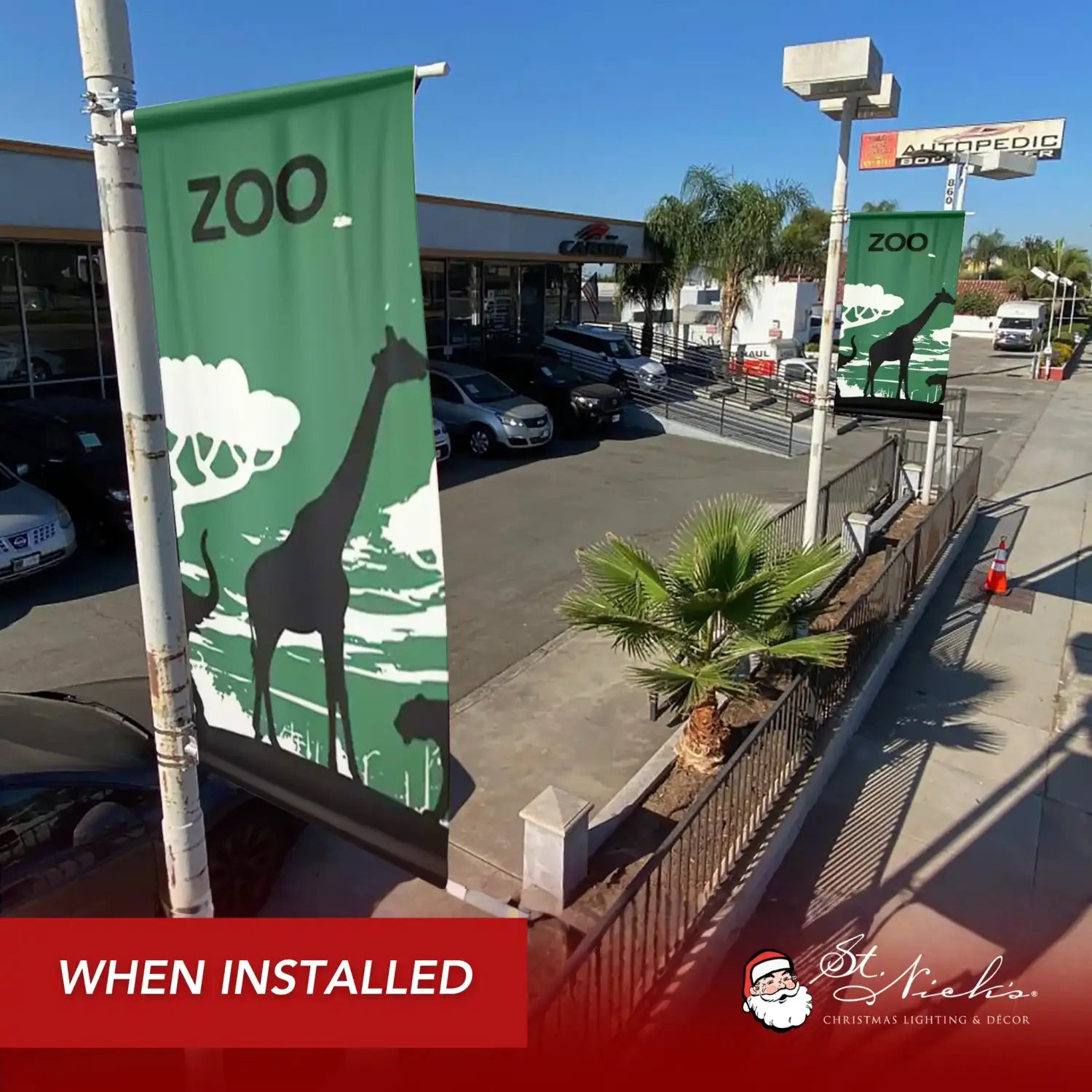
District branding and wayfinding are important, too. They keep visitor flow steady and make it easier for the public to navigate large areas. These elements play a key role in enhancing the overall experience.
- Back-to-school banners
- Farmers market banners
- Retail sale banners
- Zoo and attraction banners
- District branding and wayfinding
These banners prioritize readability, message clarity, and consistency across large properties.
Real Estate Development Banner Applications
Pole banners play a critical role in real estate development before permanent signage is installed. They help establish identity, guide traffic, and signal progress during construction and early leasing phases.
Typical uses
- Branding new developments and districts
- Promoting leasing and grand openings
- Directing traffic around construction zones
- Activating streets before tenant occupancy
Experienced developers typically lock in banner sizes and hardware standards early to avoid costly changes as projects scale.
Banner Materials, Hardware, and Program Planning
Commercial pole banners are engineered for outdoor exposure and repeated seasonal rotation. Typical specifications include:
- Heavy-duty vinyl or commercial fabric
- Reinforced pole pockets
- Double-stitched hems
- UV-resistant inks
Commercial Banner Materials & Specifications
Standardizing banner sizes and hardware speeds up installations, reduces errors, and streamlines seasonal rotation.
How Buyers Choose a Banner Program
Commercial buyers typically evaluate banner programs across three areas:
Specifications
- Banner dimensions and materials
- Wind performance and durability
- Hardware compatibility
Operations
- Installation time and labor requirements
- Seasonal change schedules
- Storage and reuse planning
Risk control
- Avoiding missed seasonal windows
- Preventing hardware mismatches
- Reducing long-term replacement costs
Poor planning often leads to uneven displays, higher costs, and rushed installations.
Frequently Asked Questions:
What are the typical costs or budget ranges for seasonal banner programs at scale?
Costs vary by banner size, materials, quantities, hardware, and installation scope. Commercial operators budget banners as reusable infrastructure for three to five years.
Standardization across banner sizes and hardware significantly lowers the total cost of ownership.
Request banner specifications and budget guidance.
How do commercial property managers choose reliable vendors like St Nicks for large-scale banner programs?
Commercial property managers choose vendors like St Nicks for their ability to handle large banner programs. They look for support for repeat orders, not just single orders. Key factors include planning support, hardware standardization, wind-performance knowledge, and experience across municipal and commercial environments.
Vendors who provide both product expertise and operational guidance reduce risk and streamline seasonal installations.
Schedule a commercial banner planning consultation.
What are the best practices for maintaining and storing commercial pole banners during the off-season?
Best practices include cleaning banners before storing them. Make sure they dry completely. Store them by season in breathable containers. Check the stitching and pole pockets before putting them up again.
Proper maintenance allows many commercial banner sets to remain in service for three to five years.
Installation & Planning Resources
Download banner storage and maintenance guidelines.
Are there common permitting or regulatory considerations for installing pole banners on commercial or municipal property?
Yes. Requirements differ by location. They may have rules about signs. There are limits on attaching things to public poles.
Historic districts need approvals. There are standards for wind loads. There are also limits on temporary permits.
Experienced operators address permitting during early planning to avoid delays or forced removals.
Request permitting and installation planning support.


